

Index Ventures
Named portraits introduce the people behind the companies. Michael Goodbody’s portrait opens my Get Access study.

Five independent pieces drawn from the companies’ own work. Each opens with the original story and ends with something you can try.

What would
a founder
call you for?

Michael Goodbody spent years in Silicon Valley and still missed the rounds he wanted to join. I turned his launch letter into an invitation that asks operators what they could do for a founder.
Read the invitation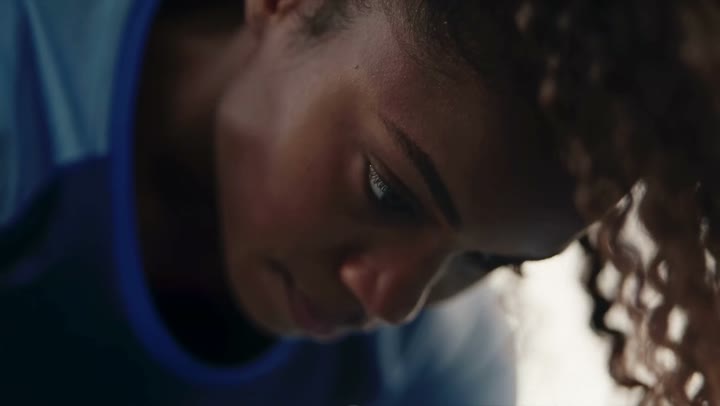

 01 Starting blocks02 Face
 03 Fingertips
A runner holds still for the opening of Claire Shin’s The New Original. My edit table lets you change how long each shot lasts and feel the difference before she moves.
Cut the opening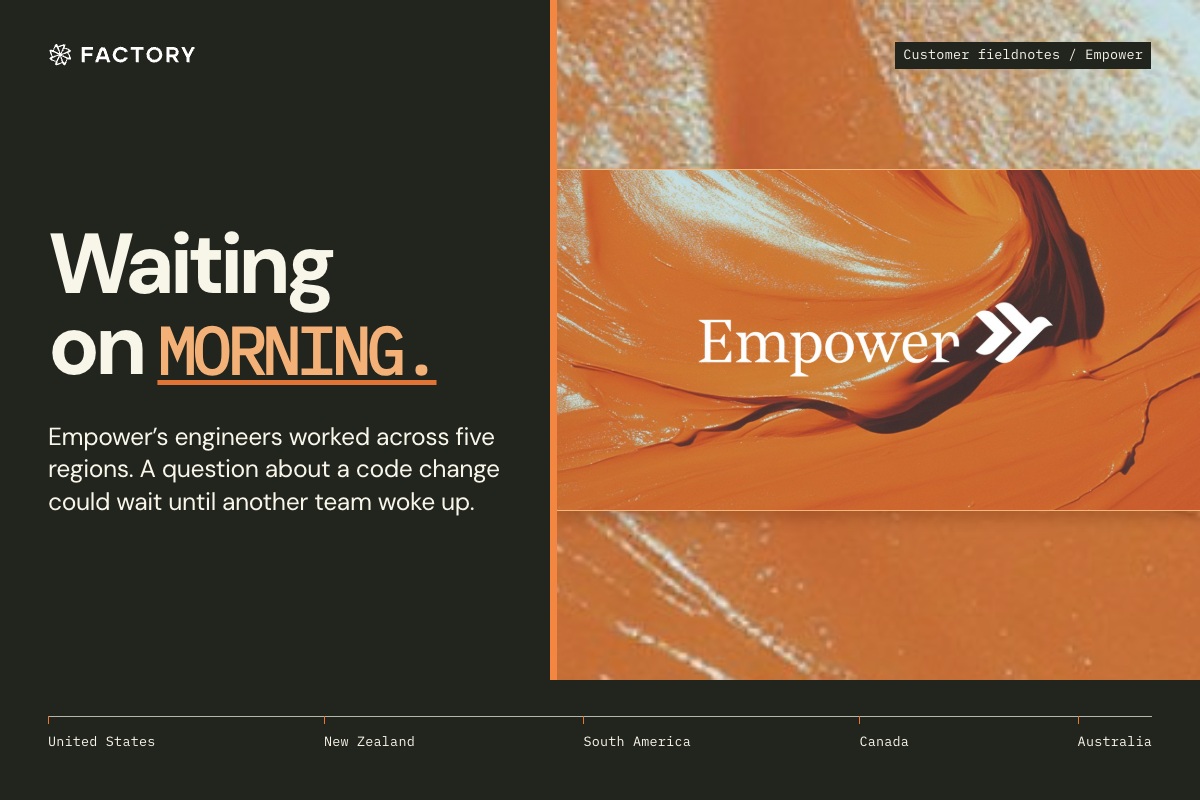
Empower’s engineers reviewed code across five regions. I wrote a handoff for the teammate waking up on the other side.
Open the handoff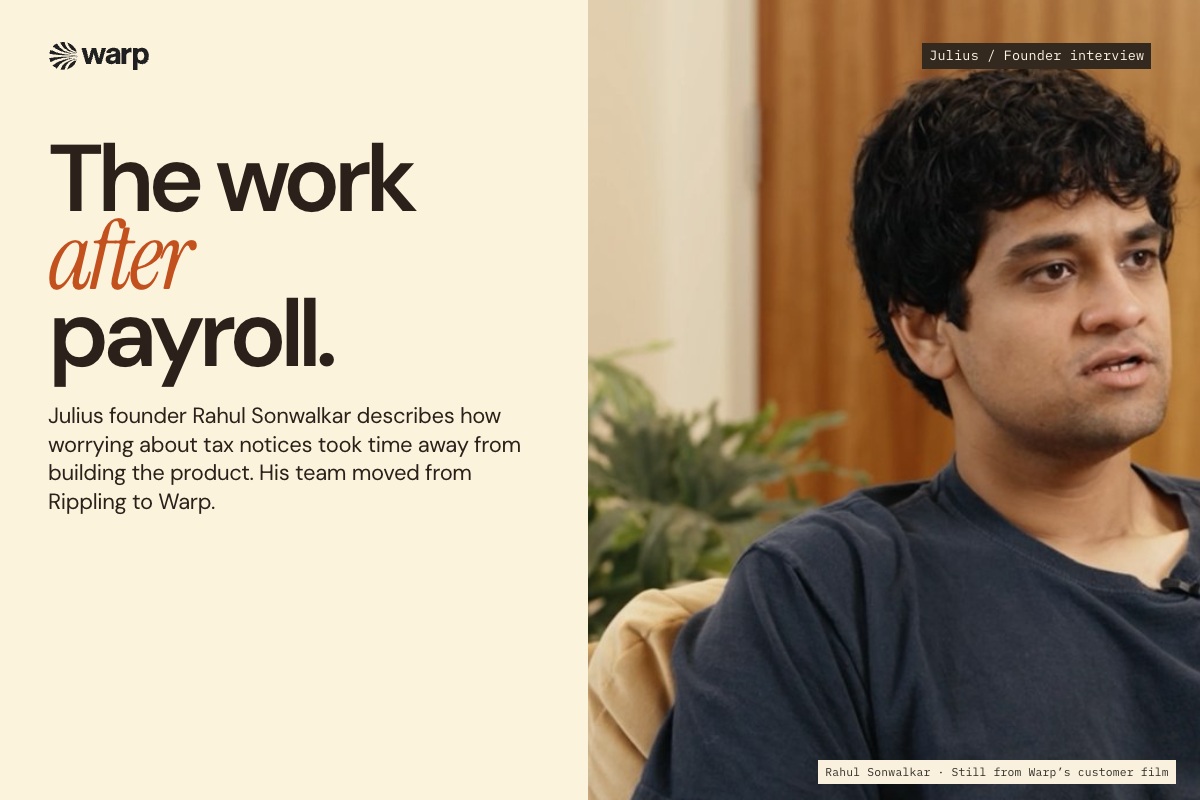
Warp’s demo shows a Georgia filing waiting on the agency. I designed a receipt that tells the founder whose move it is.
Follow the filing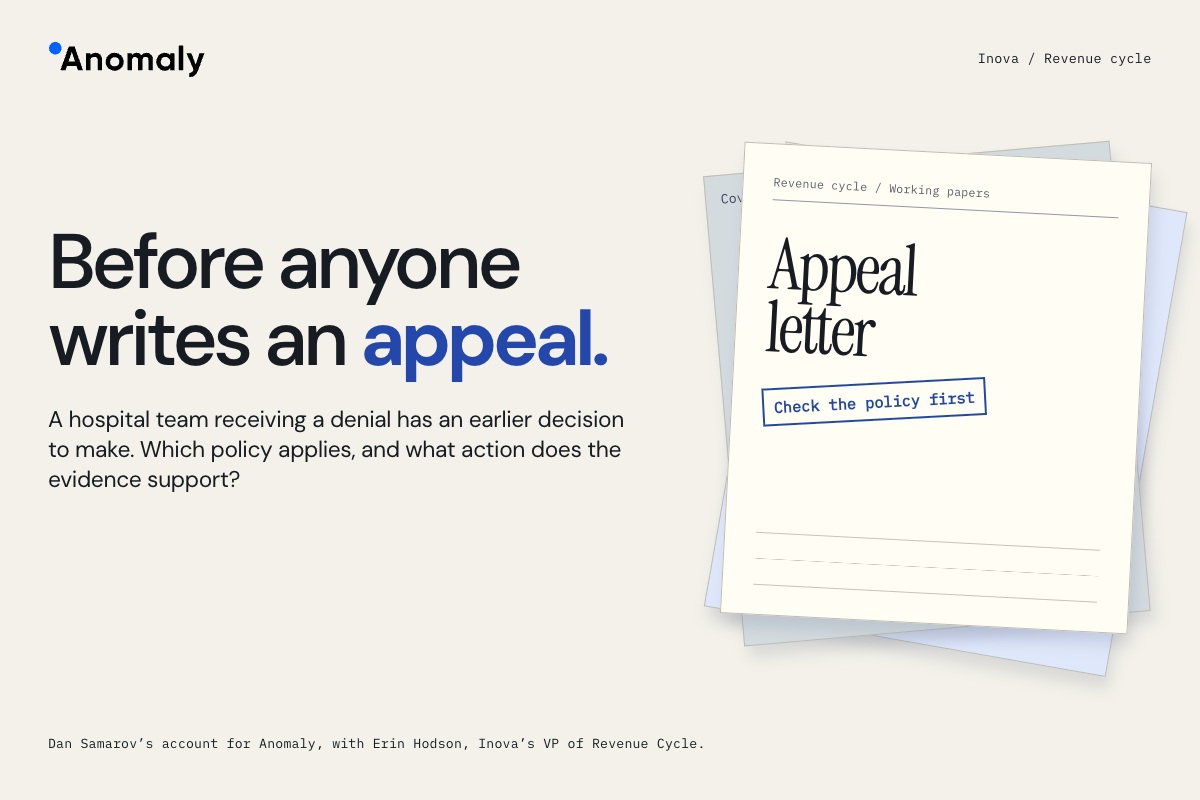
Anomaly’s work with Inova surfaced five ways to handle a denied claim. I made a working sheet for choosing the next step.
Trace a denialVisual identity
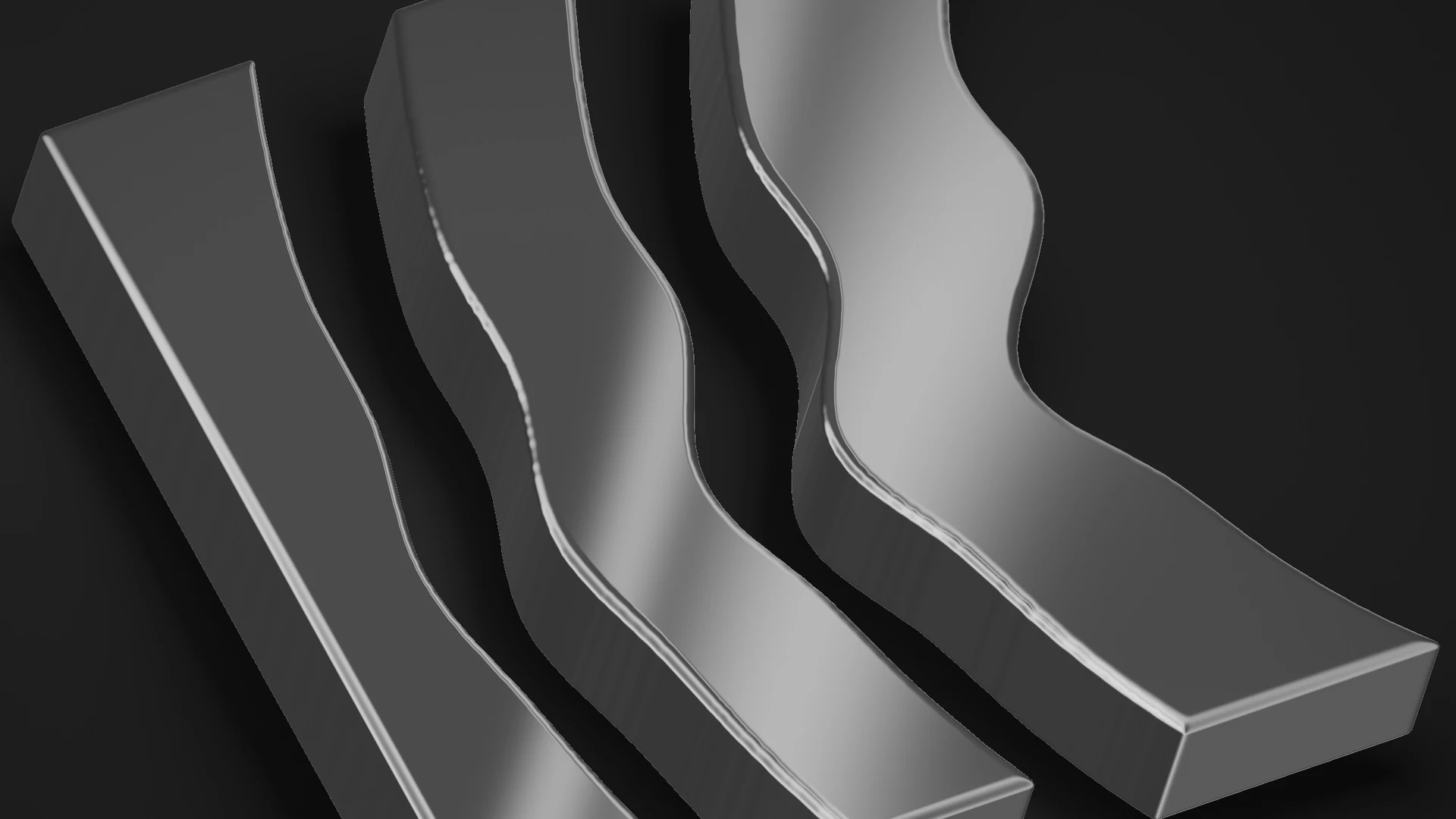
Sound’s name already sits between two sets of curved bands. I drew one sine wave into their inner edges. The bend is strongest beside the letters and fades as it travels outward.
See the original mark
In Kofu, Japan, L&Co. engraves a repeating wave into a silver ring. The buyer gets a video of the finished piece before it ships. That final look became the opening of my Arcade spotlight.
Read the maker storyNamed portraits introduce the people behind the companies. Michael Goodbody’s portrait opens my Get Access study.
Early Square readers and Notion’s demo show what a company actually made. For Arcade, an engraved silver ring earns the opening spread.
Bylines, dates and stages make a dense home page easy to scan. Every company here gets a named format and a permanent link.
Riskgaming gives Lux’s thinking a recurring editorial form. The same pulse can introduce each new Sound film.
A consistent masthead holds together covers with markedly different palettes. Sound’s credit can sit quietly beside a company’s own colors.
Its story feed tells readers what they can read, watch or hear. The company index names each format before the click.
Industrial imagery draws on the firm’s history. I looked to Sound’s own existing wordmark for a device with the same specificity.
A cinematic opening makes a single story feel like an event. I reserved motion for a deliberate, playable title sequence.
A featured company takes over the opening frame. I give company artwork its own spread under a small Sound credit.
Image captions and an orderly news feed separate different kinds of announcements. Each application here identifies the source and the proposed use.
A single colored feature sits opposite the firm’s opening statement. The Arcade slide puts the object and the maker’s story side by side.